

Many architecture studio websites look visually impressive. However, many of them struggle to generate consistent project enquiries. A well-structured architecture studio website should not only showcase design projects but also help attract qualified clients and project enquiries.
A well-designed architecture studio website should not only showcase projects but also attract qualified enquiries from potential clients.
In the UK architecture industry, a website should do much more than simply display beautiful images. It should clearly communicate the studio’s expertise, build trust with potential clients, and guide visitors toward starting a conversation about their project.
Unfortunately, many architecture firms unknowingly create websites that look good but fail to convert visitors into serious enquiries.
A well-designed architecture studio website should not only showcase projects but also help attract the right type of clients.
In this guide, we’ll explore what makes a high-converting architecture studio website and how UK studios can improve their online presence.
1. A Clear Value Proposition Above the Fold

When someone lands on an architecture website, they should instantly understand three things:
• What type of projects the studio specialises in
• Where the studio operates
• What kind of clients they typically work with
Many architecture studio websites focus heavily on visuals but forget to clearly communicate their expertise.
For example, instead of a vague headline like “Creative Architectural Design”, a stronger message would be:
“Residential Architecture Studio in London Specialising in Contemporary Home Design.”
This type of clarity immediately helps potential clients know they are in the right place while also improving SEO visibility for searches such as “architect London” or “residential architect UK”.
For many firms, the portfolio is the most important element of an architecture studio website because it demonstrates design quality and real project experience.
2. Portfolio Presentation That Tells a Story
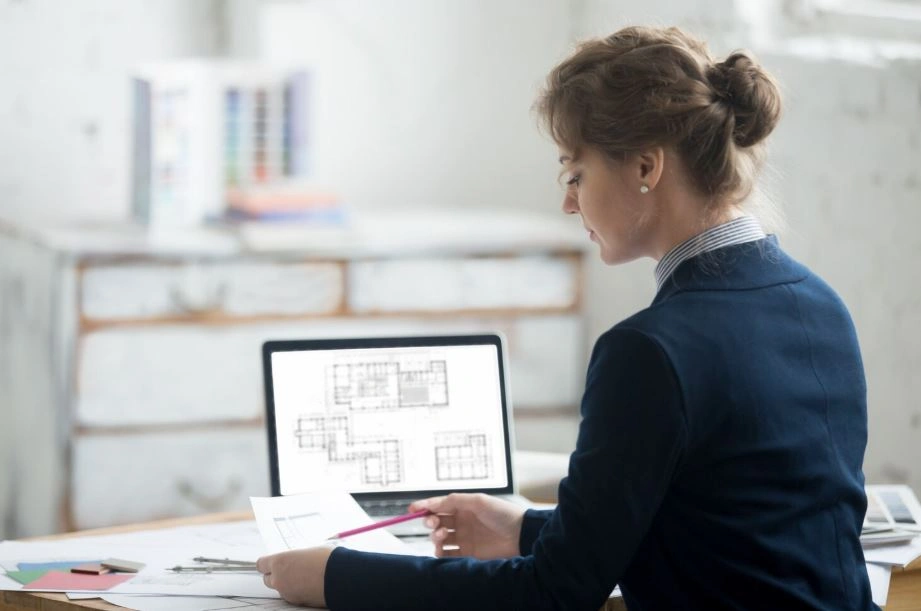
For architecture studios, the portfolio is the most important part of the website. It is often the first place potential clients go to evaluate the studio’s design style and experience.
However, many architecture websites simply show images without context.
A high-performing architecture portfolio should include:
• High-quality project photography
• Project location
• Design challenge
• The studio’s design solution
• Before and after visuals
• Client feedback if available
When projects are presented as stories rather than just images, visitors can better understand the value of the work and imagine their own projects with the studio.
3. Local SEO Optimisation for UK Architecture Searches

Most architecture clients search locally when looking for a studio.
Common searches include:
• Architect in London
• Residential architect Manchester
• Architecture studio near me
This is why architecture studio websites should include location-focused content and service pages that target relevant regions.
Well-structured pages such as “Architect in London” or “Residential Architecture Studio UK” can significantly improve visibility in Google search results and attract local project enquiries.
Optimising your architecture studio website for location-based searches helps potential clients discover your studio when looking for architects in their area.
4. Fast Website Speed and Mobile Optimisation
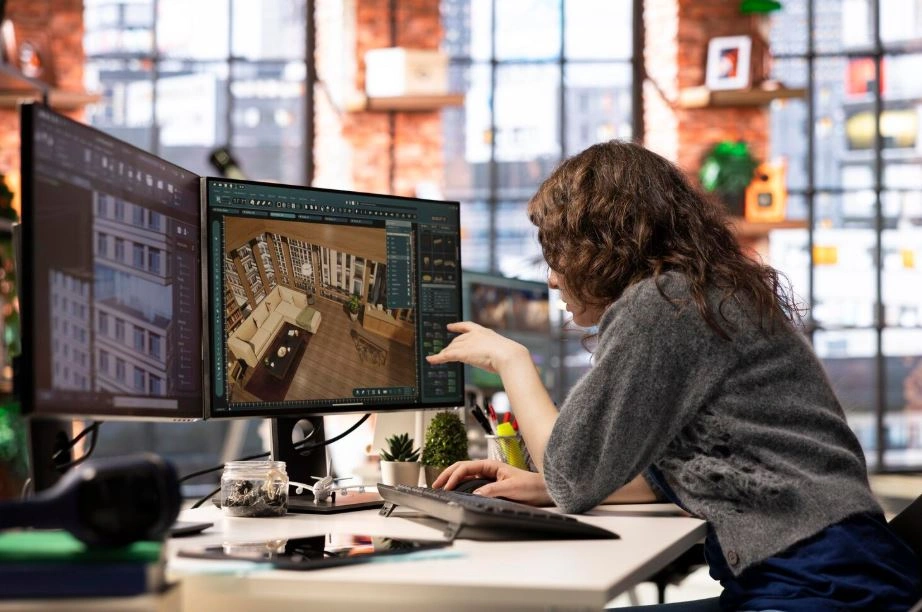
Architecture websites often use large images, which can slow down page loading times if they are not properly optimised.
A slow website creates a poor user experience and can negatively affect both SEO rankings and enquiry rates.
To improve website performance, architecture studios should:
• Optimise portfolio images
• Use modern image formats
• Ensure the website is fully responsive
• Reduce unnecessary scripts and plugins
With more than half of website visitors browsing on mobile devices, a mobile-friendly architecture website is essential for converting visitors into enquiries.
A fast and responsive architecture studio website ensures visitors can easily browse projects and contact the studio without frustration.
5. Clear Calls-to-Action That Encourage Enquiries

A common mistake many architecture websites make is failing to guide visitors toward the next step.
Even if someone likes your work, they may leave the website without contacting you if there is no clear action to take.
Effective architecture websites include calls-to-action such as:
• Book a consultation
• Discuss your project
• Request a design proposal
• Schedule a strategy call
These prompts help convert interested visitors into real project enquiries.
A well-designed architecture studio website should clearly guide visitors toward the next step, whether that is booking a consultation or discussing their project.
6. Trust Signals That Build Client Confidence
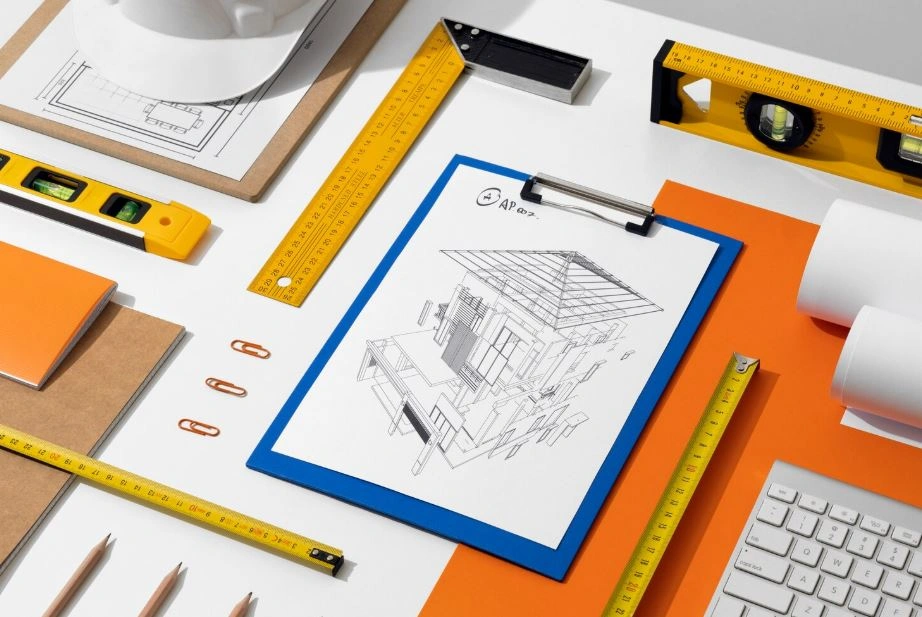
Architecture projects involve significant investment, so potential clients need to feel confident before reaching out.
Strong architecture studio websites often include trust signals such as:
• Client testimonials
• Awards or recognitions
• Press mentions
• Industry memberships
• Detailed project case studies
These elements help demonstrate credibility and reassure potential clients that they are working with an experienced and reliable studio.
Trust signals help strengthen the credibility of an architecture studio website and reassure potential clients before they make contact.
How to Improve Your Architecture Studio Website?
Many architecture studios invest thousands of pounds in their websites but still struggle to generate consistent project enquiries.
A well-structured architecture website should not only showcase your design work but also guide potential clients toward contacting your studio.
If you’re planning to launch a new architecture website or upgrade your existing one, you can explore our architecture website systems designed specifically for studios that want to attract better project enquiries.
If your architecture studio website is not generating enquiries, improving its structure and messaging can make a significant difference.
Image Credits: Images used in this article are sourced from Freepik.
Final Thoughts
A high-converting architecture studio website is not just about aesthetics. It is about combining design, strategy, and user experience to attract the right clients.
By focusing on clear messaging, strong portfolio storytelling, local SEO, and simple enquiry systems, architecture studios can transform their websites into powerful tools for generating new projects.
When designed strategically, a website becomes more than a digital portfolio — it becomes a reliable source of client enquiries and long-term studio growth.
A strategically designed architecture studio website can become one of the most powerful tools for attracting new architecture projects and long-term clients.